Aerospace
Editorial
There are trajectories that cannot be planned on paper: they are recognised as they unfold, when the wealth of knowledge accumulated in one sector reveals a natural continuity with worlds that seem distant only in appearance. This is what happened to Meccanotecnica Umbra with aerospace. In this issue, we explain how the company is addressing this challenge, making effective use of its expertise and established methodologies in contexts that demand precision, reliability and the capacity to innovate under strict constraints. From its work on mechanical seals for helicopters and aeroplanes to its collaboration with strategic European partners, a path of research, design and testing becomes clear, where every decision is measured, documented and aimed at delivering tangible results.
Aerospace is one of the pillars on which we will build our future, not to change who we are, but to broaden our horizons. It is, of course, a challenging path, but a natural one for a group that has chosen to grow through expertise and innovation. And as we continue to refine materials, processes and ideas, we realise that this direction is the logical extension of our corporate identity, built on excellence, rigour and the vision that has guided our work for almost 60 years and allows us to push a little further each time.
New direction for Meccanotecnica Umbra: entry into the european aerospace supply chain.
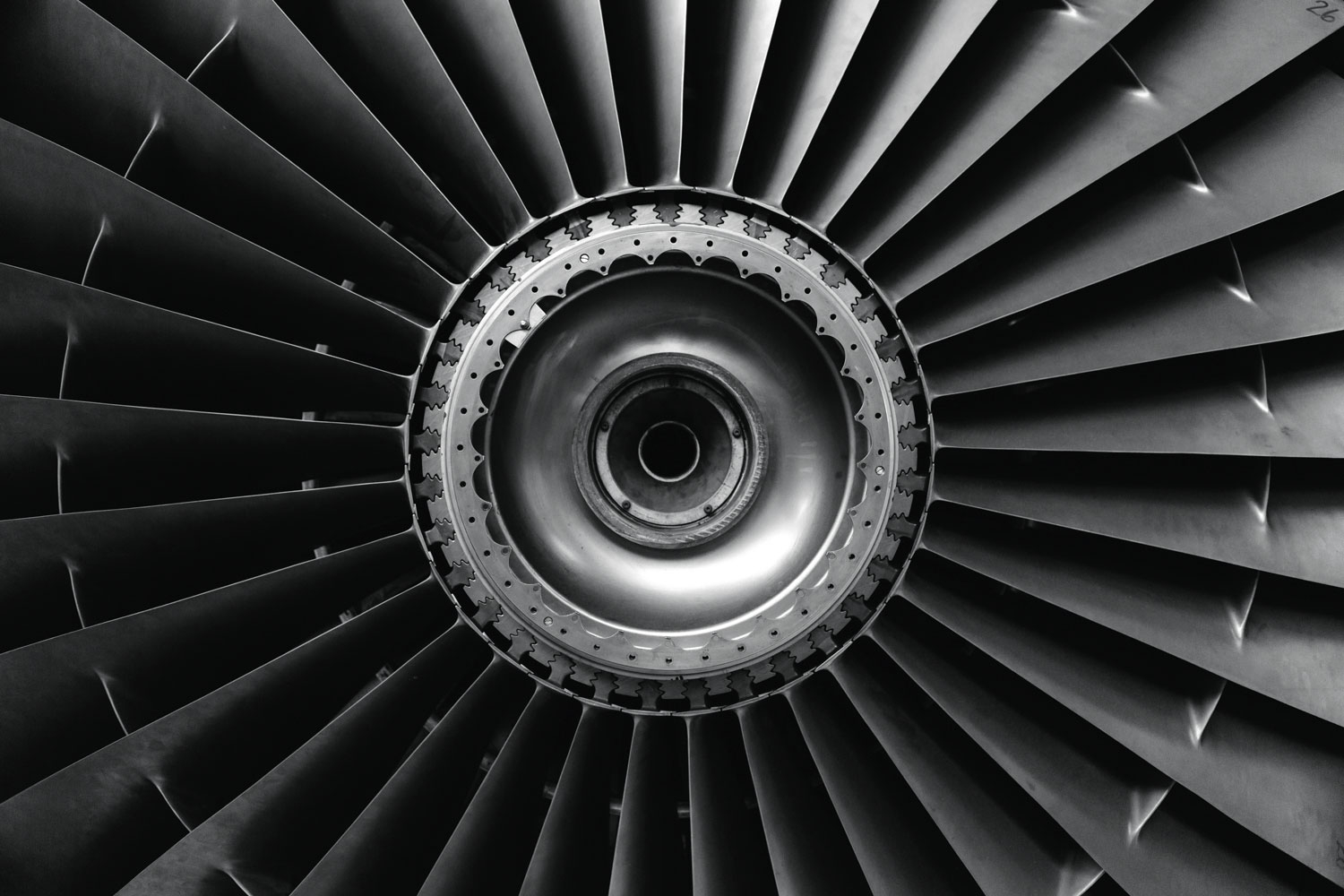
When the call from Leonardo arrived in early 2015, no one at Meccanotecnica Umbra imagined that this contact would mark the start of a journey capable of redefining the company's ambitions. For a company like ours, whose DNA is rooted in the automotive, industrial and household appliance sectors, the aerospace industry at the time seemed almost a remote dimension: a niche viewed as the exclusive domain of major global players, with standards and requirements so demanding that they represented a frontier difficult to approach. Yet it was precisely that unexpected call that opened the door to taking that leap. Leonardo was seeking an agile and immediately operational partner, willing to collaborate on a reverse engineering project for the development of a product intended for the Asian market. This was a specific and urgent need, difficult to reconcile with the timelines and rigidity of the usual aerospace suppliers. For these industrial giants, mechanical seals only represent a marginal fraction of their overall business, and for this reason it is not always possible to continuously and responsively monitor their development.
Meccanotecnica Umbra was able to offer a different kind of value: our size allows us to be extremely agile, always present and attentive to the specific needs of our customers.
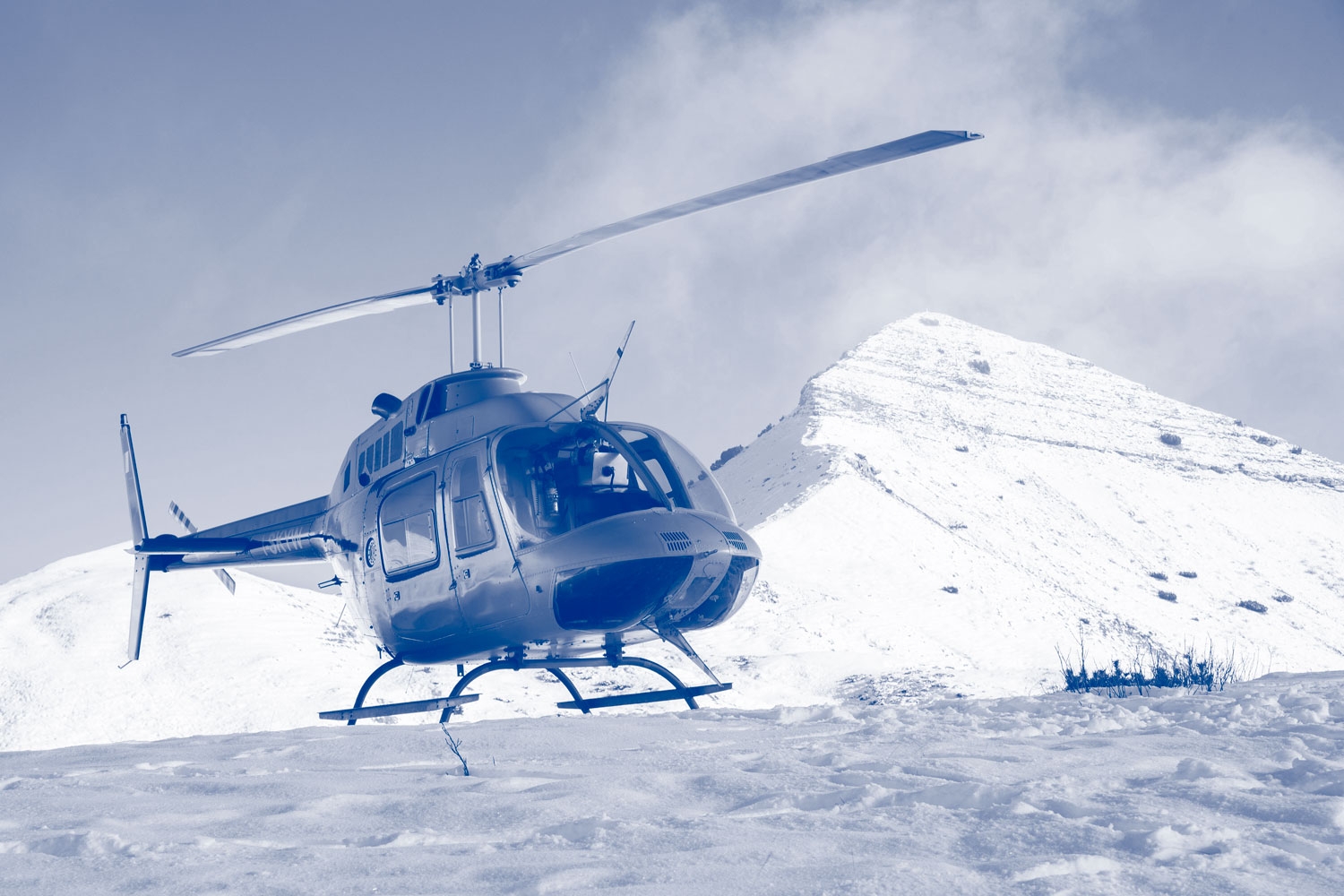
This approach, combined with the strength of our research and development department and our familiarity with customised design logic, made it natural for us to accept a challenge that extended well beyond our company’s usual scope. In the months following the order, we experienced a genuine cultural transformation. Although they fall within the category of mechanical seals, aeronautical seals require a substantial conceptual leap. The rotation speeds required by the project – up to 18,000 RPM, when Meccanotecnica Umbra had only operated at values up to 5,000 RPM – demanded more rigorous analysis and validation. In this context, every design decision must be grounded in verifiable calculations, certified simulations, repeatable tests or established technical literature. Routine is not an option: choices are not based on engineering instinct, but on documented actions. The documentation itself becomes an integral part of the product. An aeronautical seal does not “exist” without its accompanying technical dossier: certifications, dimensional checks, traceability down to the composition of the raw material, and complete process and verification records.
The effectiveness of the component depends not only on its physical properties, but also on the robustness of the process that produced it.
This requirement led us to obtain ISO 9100 certification (also known as AS/EN 9100), a globally recognised prerequisite for companies wishing to operate in the aerospace sector. We come from the automotive world, already accustomed to stringent standards such as IATF, but 9100 represented an additional level of refinement: more formalised procedures, systemic risk assessment and management, and a deeply structured documentation framework. Entering the aerospace sector also required physical changes within the production organisation. We designed and created dedicated areas within the Campello sul Clitunno plant, with access restricted to authorised personnel trained according to specific criteria. In these FOD-free (Foreign Object Debris-free) environments, even the accidental presence of a small tool could compromise the reliability of the final component. At the same time, a specific organisational chart was established for the aerospace sector, assigning roles and responsibilities that ensure process control and the capacity to manage any dual-use products with the necessary confidentiality.
The production of the first 300 pieces for helicopters was a decisive test. Not only did it allow Meccanotecnica Umbra to proudly enter one of the most selective segments of the industrial world, but it also enabled us to grow vertically in terms of technology and organisation. The skills gained during those months spread across all departments, raising the overall level of awareness and precision.

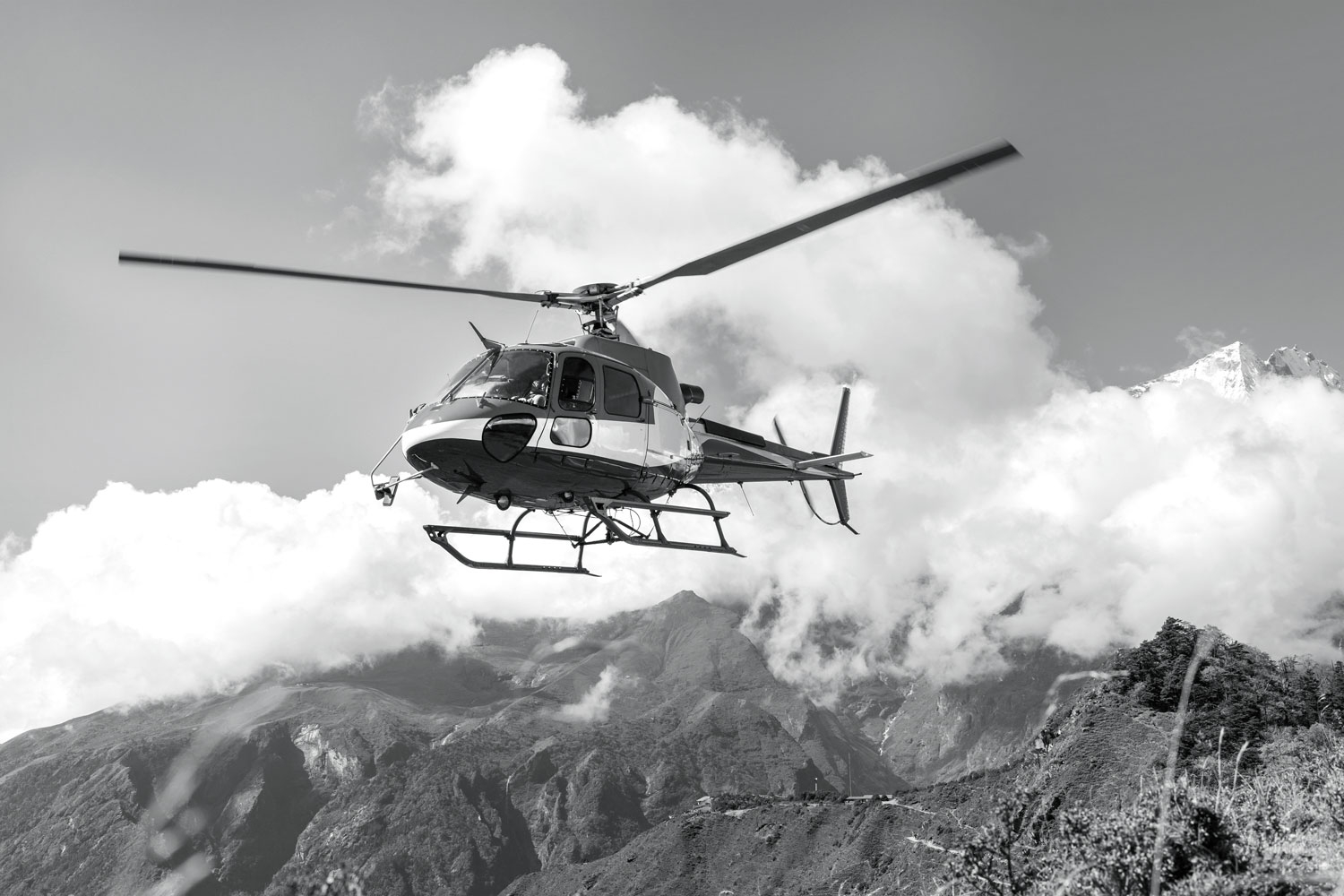
Above all, this experience showed us that we can compete with confidence in a sector traditionally dominated by major international players.
This new awareness proved invaluable when we began diversifying our portfolio with the aim of reducing our exposure to global market fluctuations. Our relationship with Leonardo was revived a few years ago, at a time of profound transformation in the European aerospace sector: the main players were beginning to push more decisively towards near-shoring strategies, seeking to shorten the supply chain and reduce dependence on geographically distant suppliers. Geopolitical tensions and tariff wars were reshaping the international balance, making the presence of reliable and nearby partners a strategic priority. For companies like ours, that were already structured and certified, a particularly favourable context emerged, rich in concrete opportunities.
Today, Meccanotecnica Umbra holds an emerging yet rapidly expanding position within the aerospace market./span>
We have broadened the application horizon of our solutions, moving from rotary-wing aircraft to fixed-wing aircraft, which offer a far greater volume potential, in the order of tens of thousands of pieces. This new chapter represents an opportunity to consolidate a critical mass capable of supporting the aerospace division in a structured manner over the long term. In this regard, we are currently engaged in promising discussions with a world-class aircraft engine manufacturer. In addition, Leonardo launched the Crescere Insieme (Growing Together) programme in 2024, aimed at strengthening the Italian industrial supply chain through selective partnerships and shared development projects: an initiative that, in the near future, could even involve us in projects not strictly linked to mechanical seals. This prospect confirms the evolution of Meccanotecnica Umbra’s role within the aerospace value chain, with an increasing focus on strategic partnerships and long-term technological developments.
The strategy for the near future is clear: to focus on Europe, a market where proximity to major manufacturers and the complexity of certification make it strategic to “play at home”.
Our membership of the Umbrian Aerospace Cluster forms part of this vision. Joining the cluster means being part of a system recognised at European level, presenting ourselves at international trade fairs with a shared identity, and benefiting from a network of certified, cohesive and integrated companies with which to build coherent supply chains. It also means accessing information, initiatives and opportunities that would be difficult to obtain operating on our own. Our CEO, Carlo Pacifici, is now a member of the cluster’s steering committee, contributing to the strategic development of an ecosystem that is becoming a benchmark for the entire region. However, this positioning does not exclude attention to other emerging contexts. Turkey, in particular, is investing heavily in developing its own industrial autonomy in the aeronautical sector, and is showing strong interest in capabilities such as ours. In this perspective, the presence of the Meccanotecnica Umbra plant in Istanbul – although not dedicated to aeronautical production – serves as a genuine listening point: an antenna capable of intercepting local operators attracted by the reputation of a technologically reliable European partner.
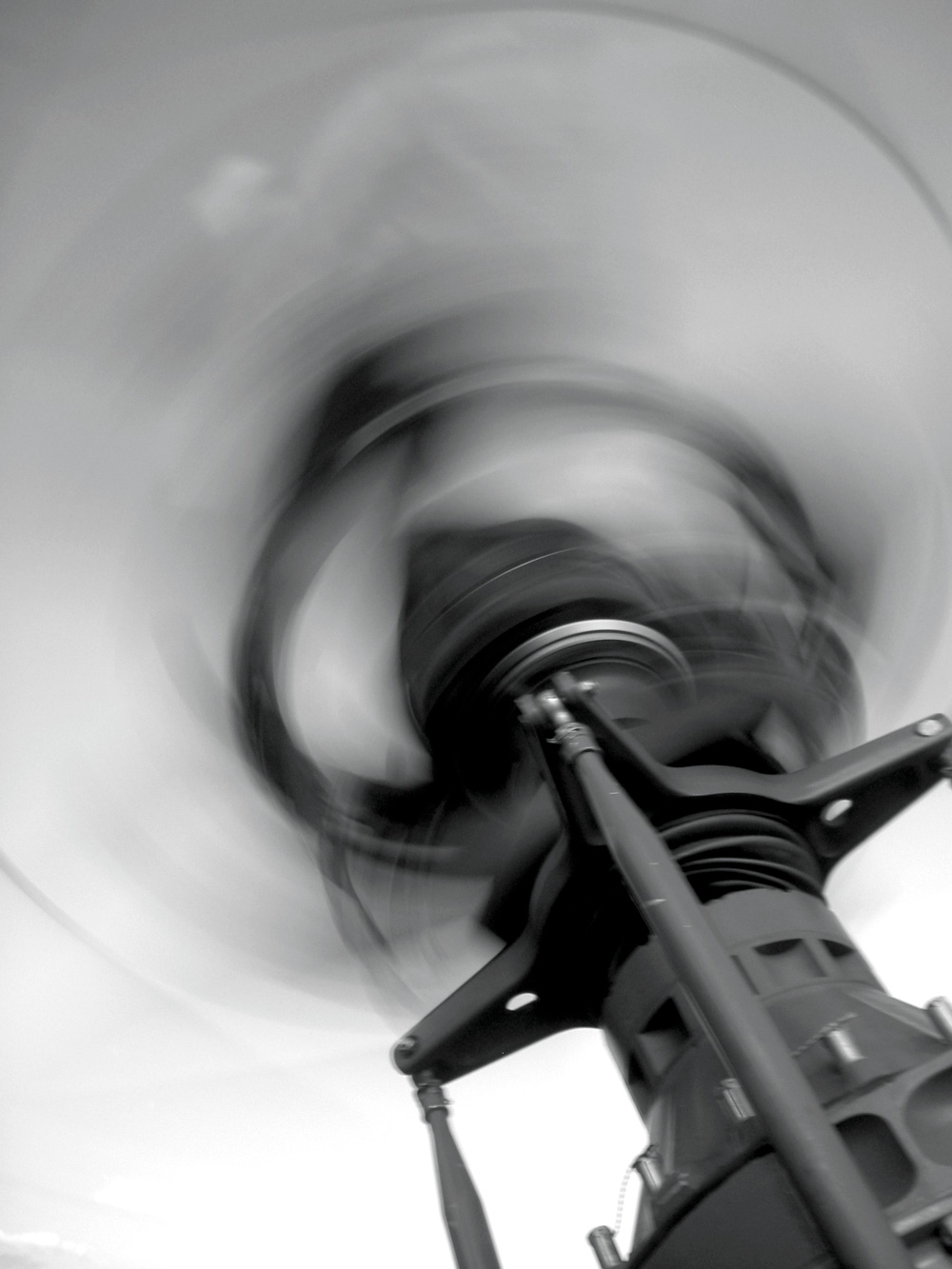
High-altitude innovation: our technology for the aerospace industry.
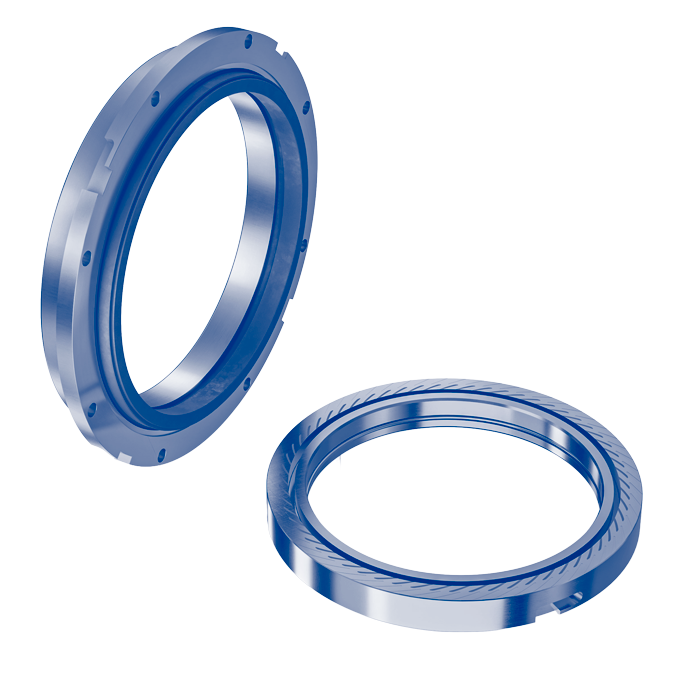
Installing a mechanical seal on board an aircraft means dealing with extreme operating conditions: temperatures below -70°C, engine areas exceeding 200°C, rotation speeds reaching 140,000 revolutions per minute, pressures that vary with flight altitude, environments lubricated by airborne mixtures of oil and air, and systems that require a predetermined service life and scheduled maintenance. It is within this context that we develop our customised aeronautical solutions, adapting our know-how and expanding it when necessary. The seals we manufacture at our Competence Centre in Campello sul Clitunno operate at various critical points within aircraft motion transmission: they are used in helicopter gearboxes, in the transmission systems of aircraft engine auxiliaries, in components involved in starting via APUs (Auxiliary Power Units) and ATSs (Air Turbine Starters), in tail rotor control systems and in centrifugal fuel pumps. Each application presents specific challenges and operational constraints, yet all require the ability to retain lubricating oil, protect components from external contaminants and ensure reliable, continuous operation even under the most severe conditions. Thanks to a development process based on customer specifications, the Centre is constantly evolving, integrating new solutions to meet the needs of a rapidly growing and innovative sector.
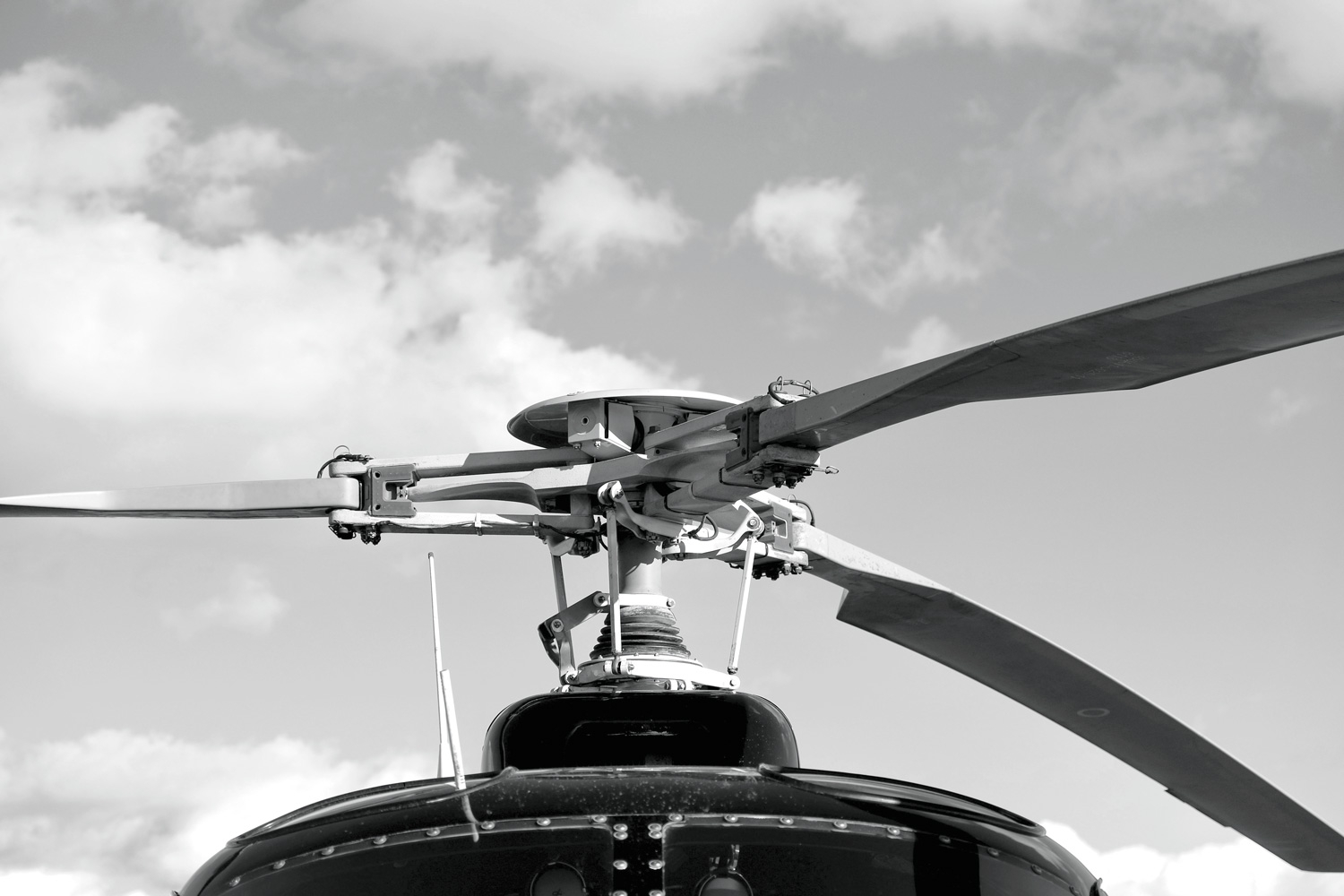
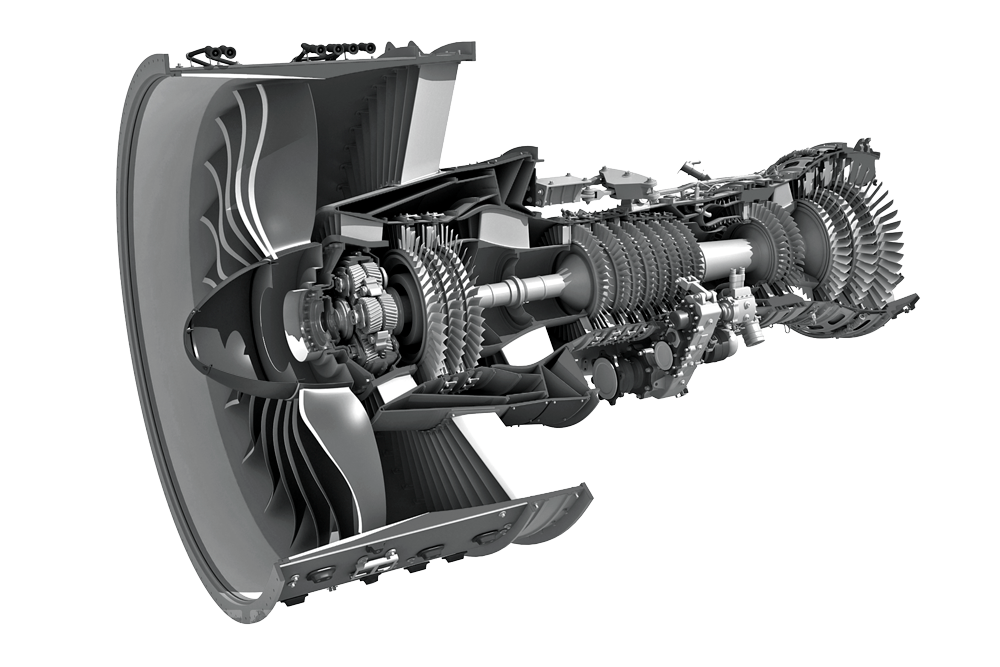
Aeronautical applications impose extremely stringent requirements compared to those of the industrial or automotive sectors, making our seals products that are both highly innovative and inherently challenging.
These are components that must guarantee reliable operation without the possibility of sudden failure: their life cycle is defined at the design stage and replacement occurs exclusively according to scheduled maintenance, typically over a period of two to three years. Reliability is therefore not only a performance target, but a fundamental safety requirement. The seals must operate within an extremely wide temperature range, which can vary from -72 °C to 250 °C depending on their position within the aircraft – from areas most exposed to altitude to regions near the engine where temperatures are significantly higher. These conditions are compounded by extremely high rotational speeds: in certain applications, such as centrifugal fuel feed pumps or engine auxiliary systems, speeds of up to 140,000 revolutions per minute can be reached. At such speeds, centrifugal force causes actual deformation of the ring geometry, a phenomenon that must be anticipated and managed during the design phase using advanced analysis tools. Predicting these behaviours is essential to ensure the stability of the lubricating film, the absence of contact between surfaces and the operational continuity of highly critical systems, such as APU or ATS start-up, or fuel supply to the combustion chamber.
Each of our seals is therefore the result of a complex balance between materials, geometries and operating conditions — an engineering synthesis designed to meet the needs of an industry where there is no room for error.
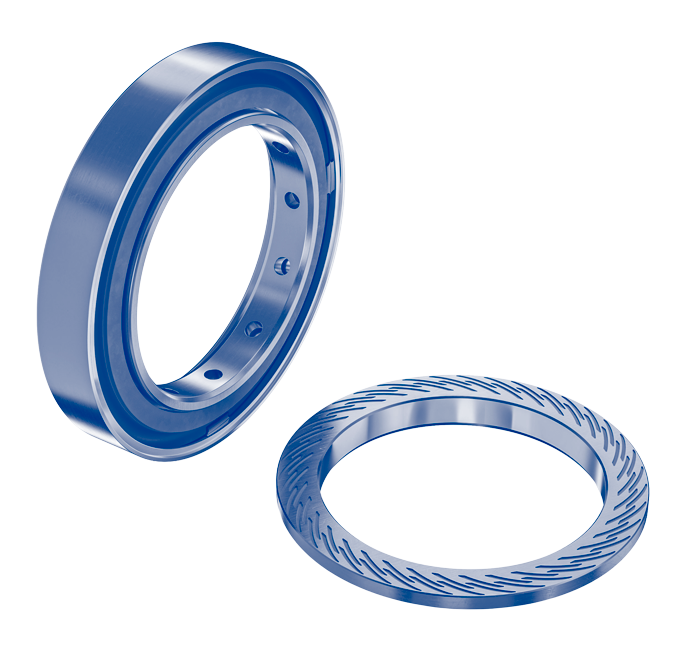
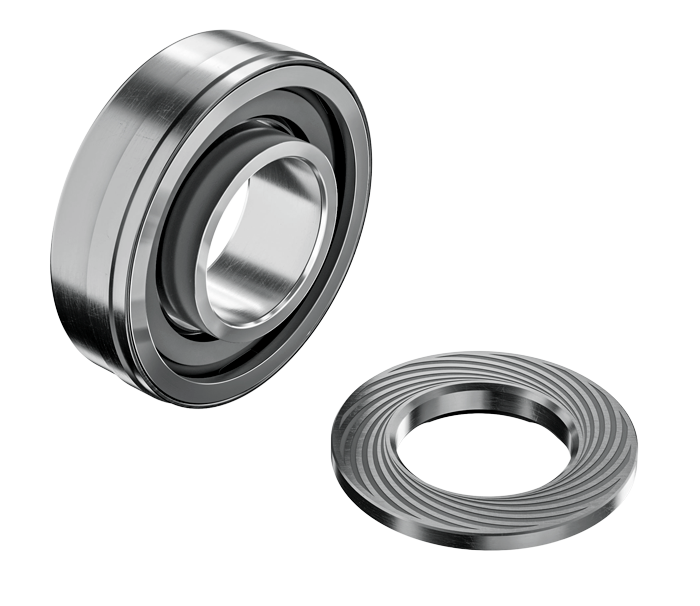
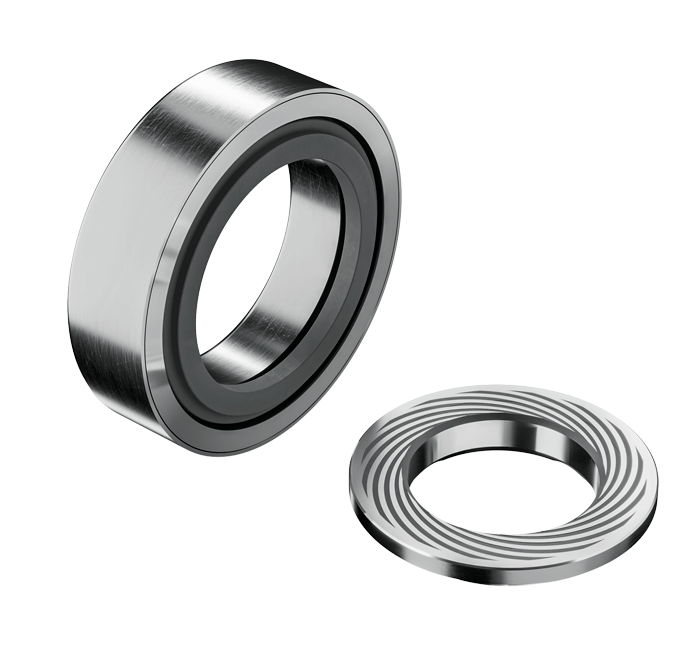
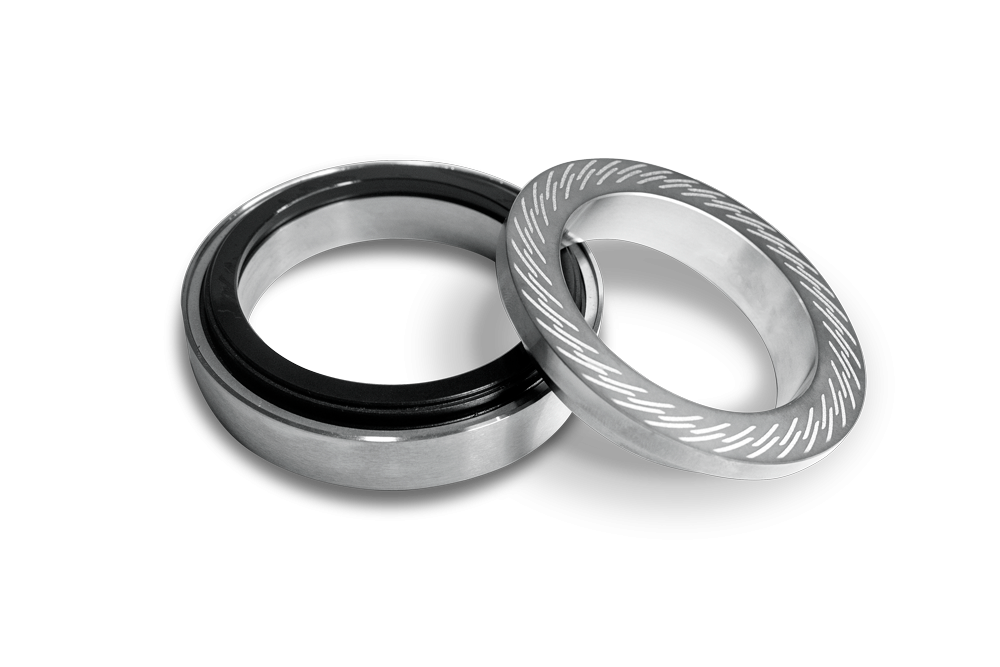
The heart of our technology lies in the geometry of the grooves, the micro-vane patterns laser-engraved on one of the seal surfaces. The shape, depth and arrangement of these elements influence the behaviour of the fluid film, the separation between the surfaces, dynamic stability and the overall efficiency of the component. At the end of last year, the need to address rotation speeds far greater than those encountered in the automotive sector led us to begin a collaboration with the Department of Mechanical Engineering at the University of Perugia. This collaboration represents a strategic step for us: it combines academic expertise with industrial know-how and enables us to tackle challenges that require advanced simulation tools. Using CFD (Computational Fluid Dynamics) tools, we simulate the dynamics of the lubricating fluid within the geometries of our components, which are subjected to extreme stresses generated by exceptionally high rotational speeds. Thanks to these analyses, we have been able to identify the critical parameters that determine the seal's performance, optimising the design of the grooves.
The results of the numerical simulations have shown an increase in effectiveness of up to two and a half times compared to traditional geometries, allowing us to reduce the number of physical tests and direct the design towards increasingly high-performance solutions.
We are now in the experimental testing phase to verify the achievement of the expected results; we are confident because the data obtained so far from the analyses are consistent with what actually occurs within these geometries. From a production perspective, despite having advanced skills within the group, we chose not to rely on internal resources at this initial stage: for the basic components, we rely on suppliers already qualified for the aeronautical market and accustomed to operating according to the EN9100 standards. Within the company, we focus on the stages with the highest added value, namely the critical processing of the components and their assembly. In this regard, we have considerably enhanced our lapping and polishing capabilities, essential processes for achieving perfectly flat surfaces, which are a prerequisite for the proper functioning of aeronautical seals. We have also internalised laser cutting for the creation of dedicated geometry grooves, bringing a key technology for the design of aerospace components in-house.
Looking to the future, the goal is to evaluate a gradual return in-house of some processes that are currently outsourced, starting with materials. Our seals use carbon components that must possess extremely specific characteristics to withstand aeronautical operating conditions; for this reason,
we are developing our own carbon compound, drawing on the know-how of our internal materials division.
This choice offers a twofold advantage: it allows us to control tribological properties more precisely and reduces our dependence on non-European suppliers, shortening the supply chain in line with our customers’ requirements. Looking ahead, this path could lead us to manufacture most of the components needed for the production of our aeronautical seals in-house.
The evolution of our expertise is driving us towards new and broader scenarios:
when you acquire the ability to design and manufacture components capable of withstanding extreme speeds, severe temperature gradients and absolute reliability requirements, it becomes natural to look further ahead.
And further ahead, today, means space. In rockets, the power supply for cryogenic engines requires the management of fluids such as liquid hydrogen and oxygen, materials that are complex and delicate to contain, control and isolate. It is a context that amplifies every challenge – including pressures, temperatures, accelerations – but also a field in which our experience finds surprising continuity: from advanced simulations to laser technologies, and from high-speed deformation analysis to materials design. This is why we see space not as a leap into the unknown, but as the natural and technically coherent extension of our current path.
Looking to space means recognising that the trajectory we've embarked upon can continue even higher.